HYDRANGEAS
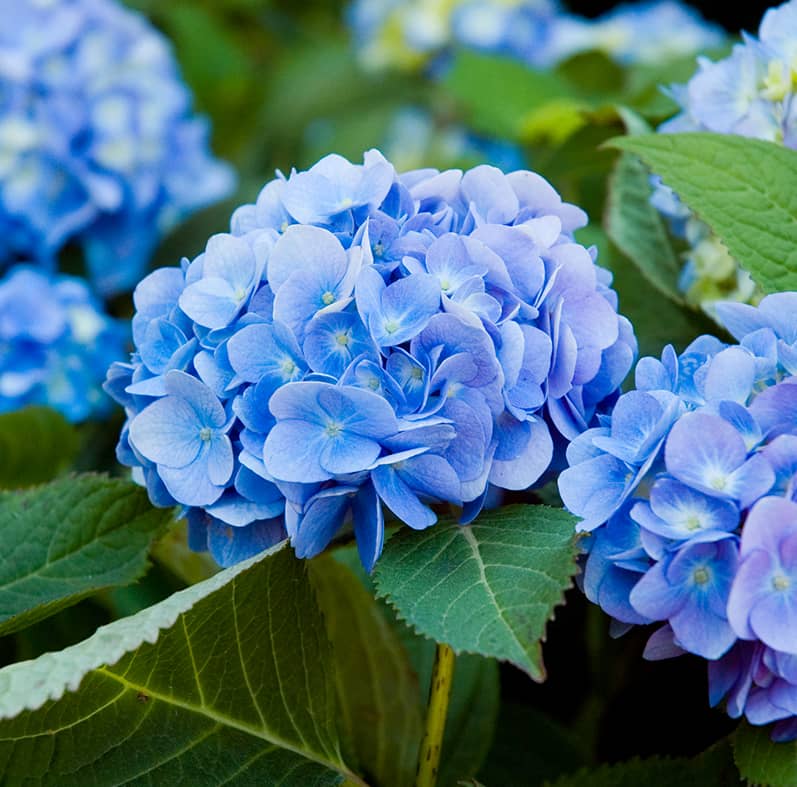
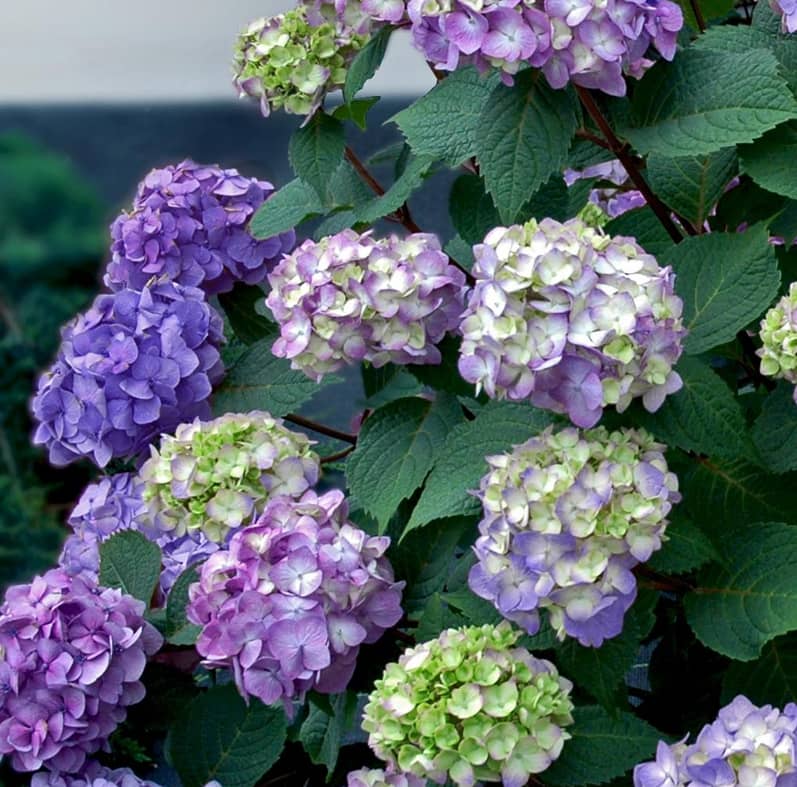
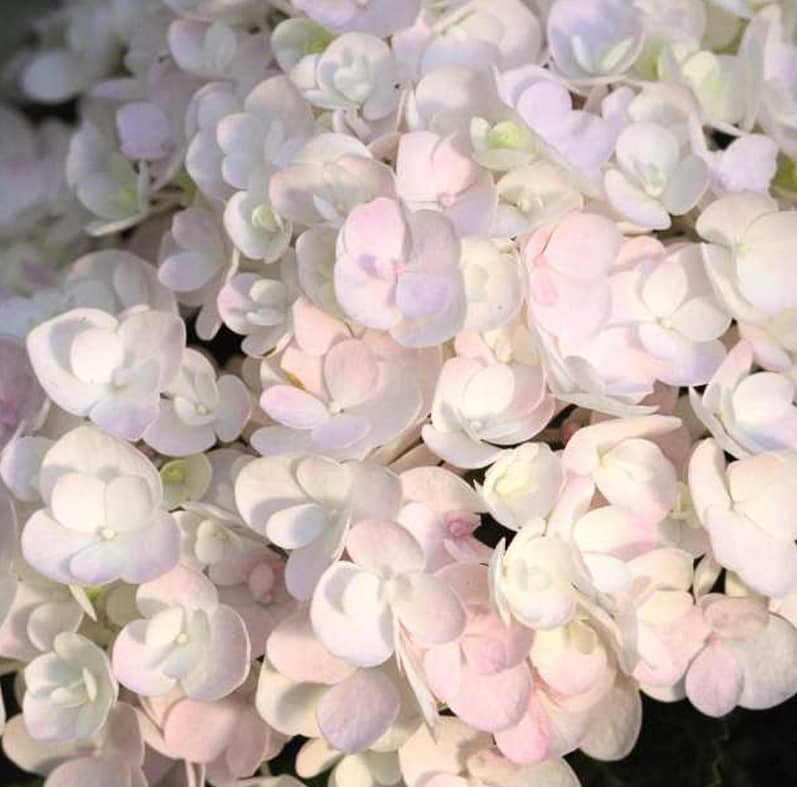
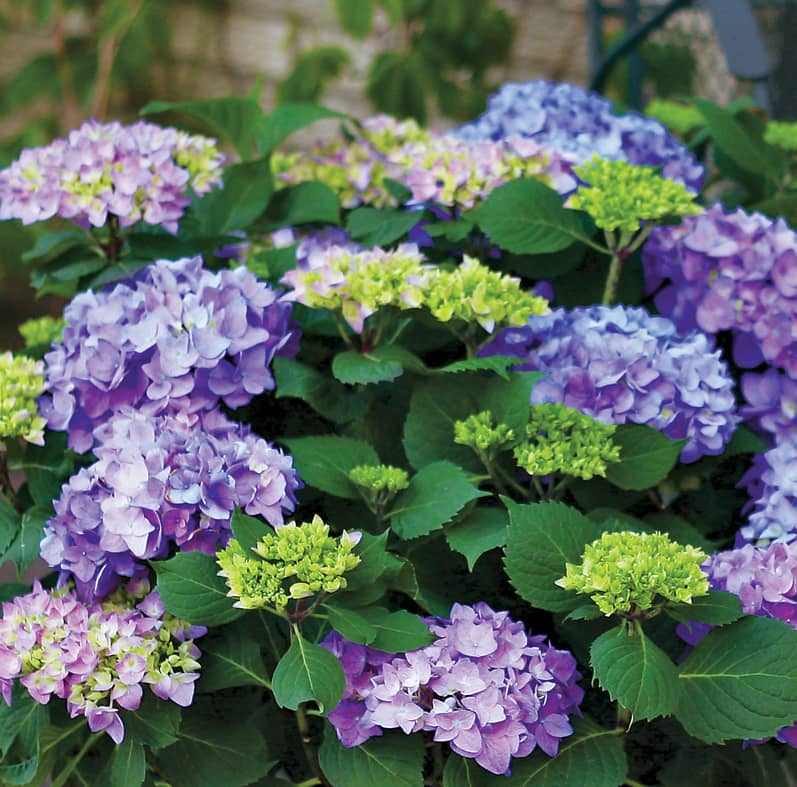
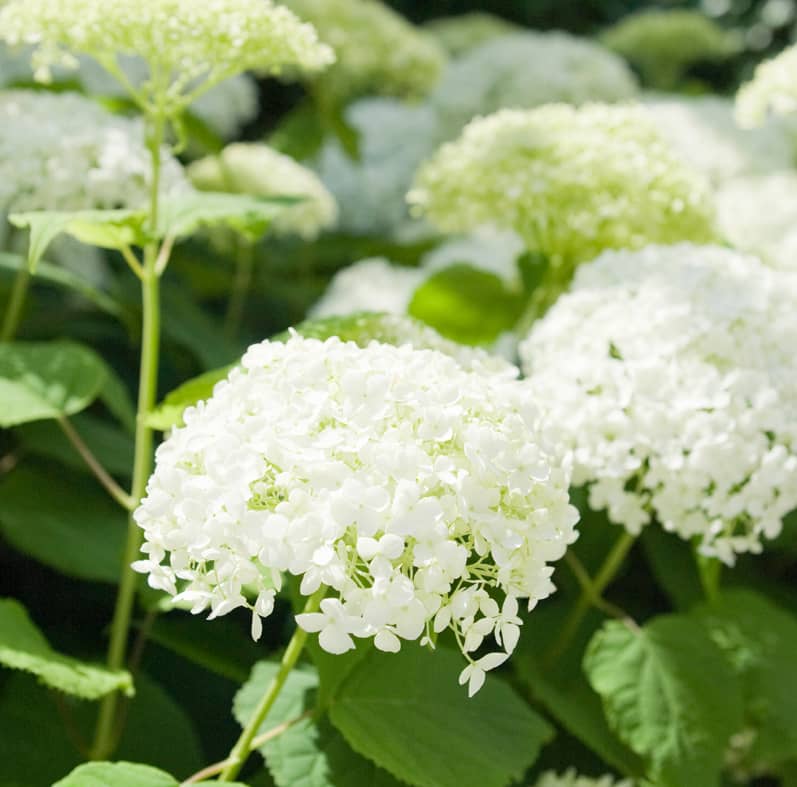
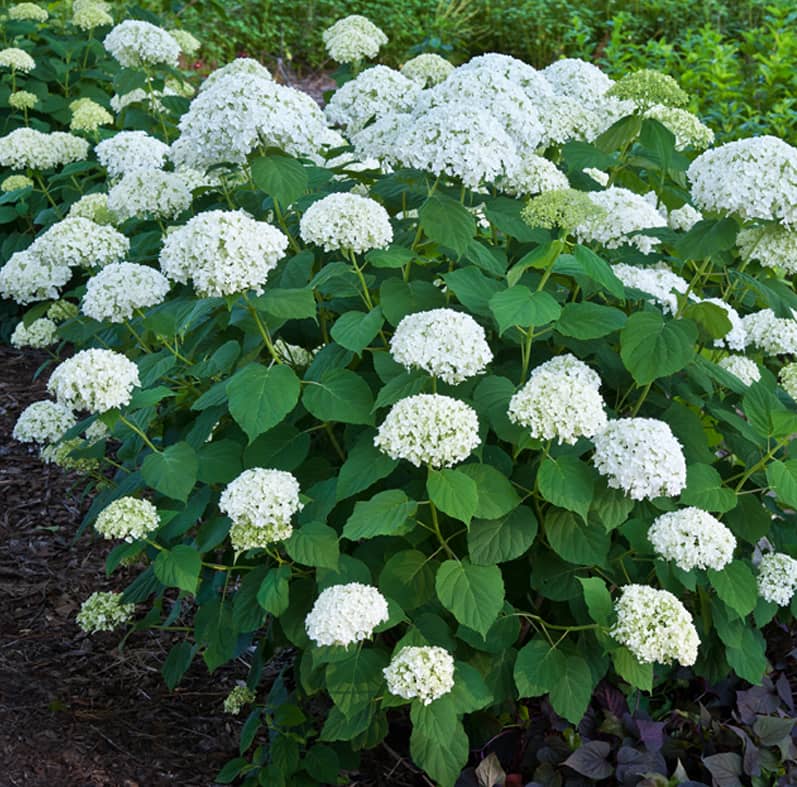
Hydrangeas are in the midst of a style revolution. Many exciting new varieties are rebloomers, some are two-toned, new flower forms are appearing and plant sizes are shrinking. Hydrangeas of every kind have always had a lot going for them. All make terrific cut flowers and many dry well, too. They’re easy to grow if planted in the right situations: dappled shade all day; or early morning/late evening sun and shade for the rest of the day. They require ample, regular water and well- draining, well-amended soil.
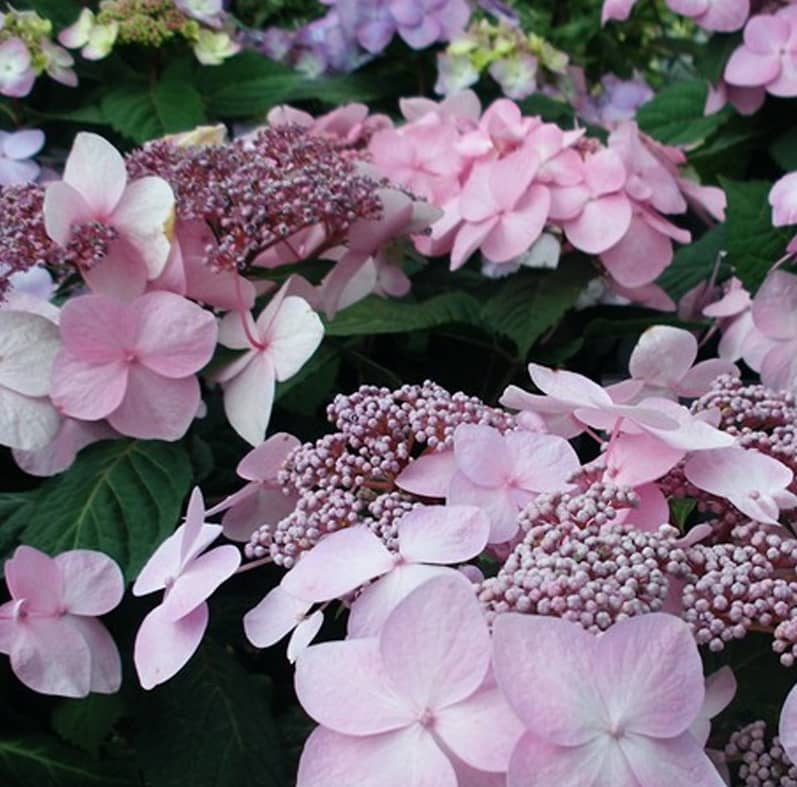
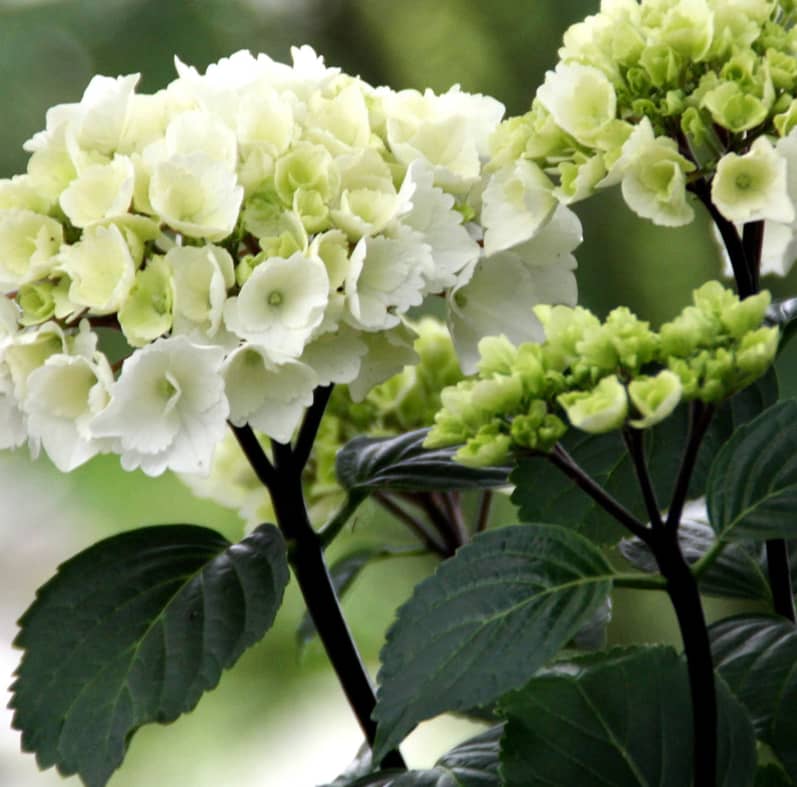
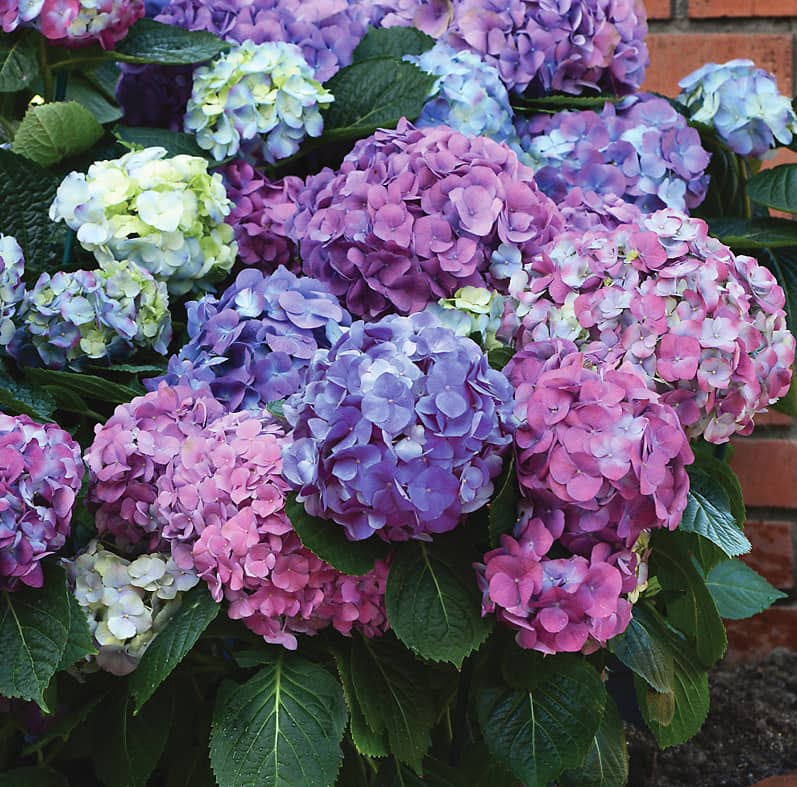
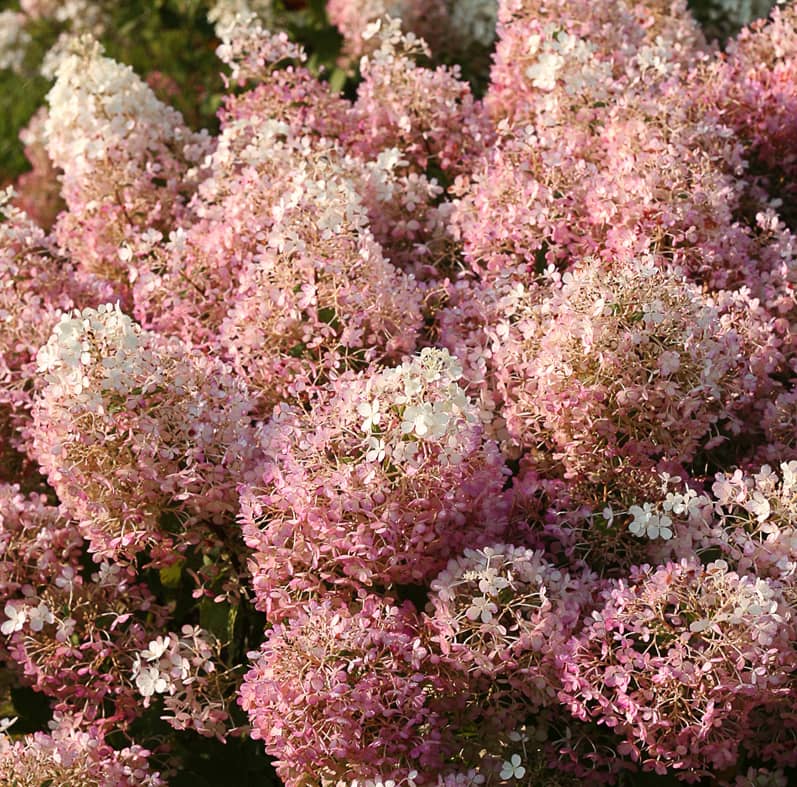
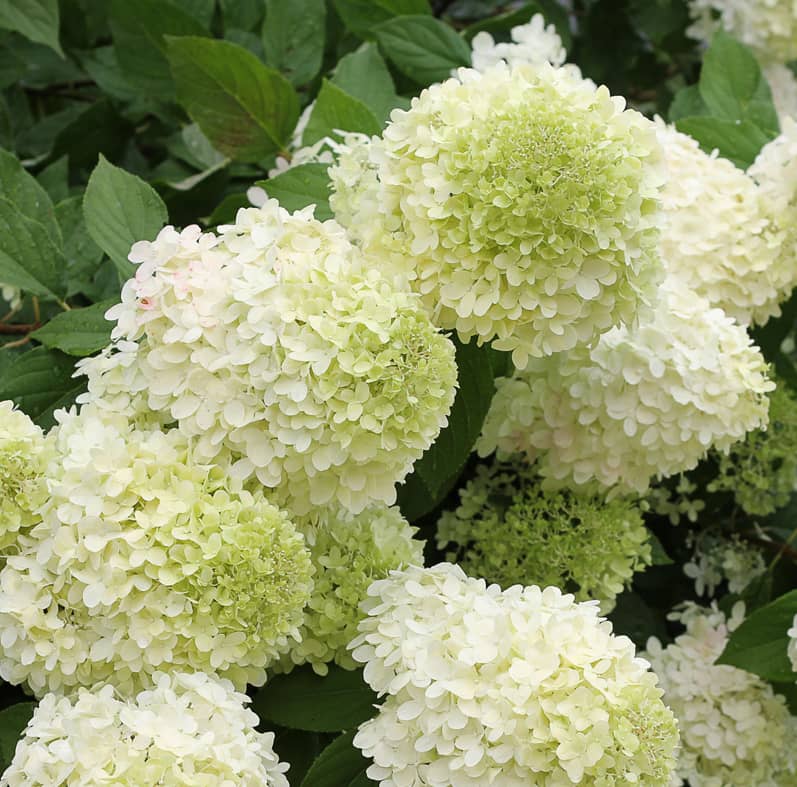
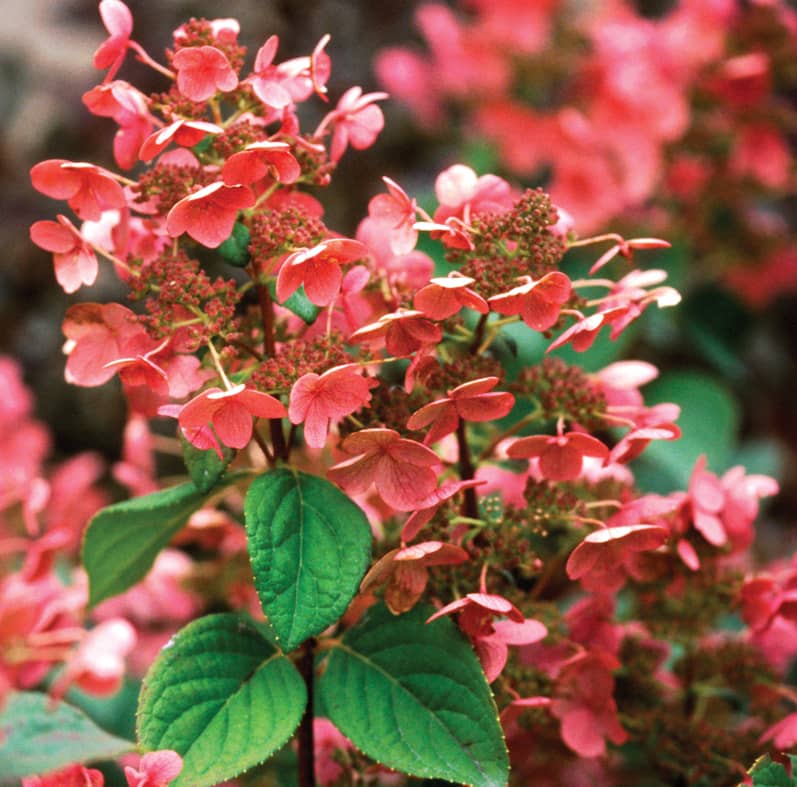
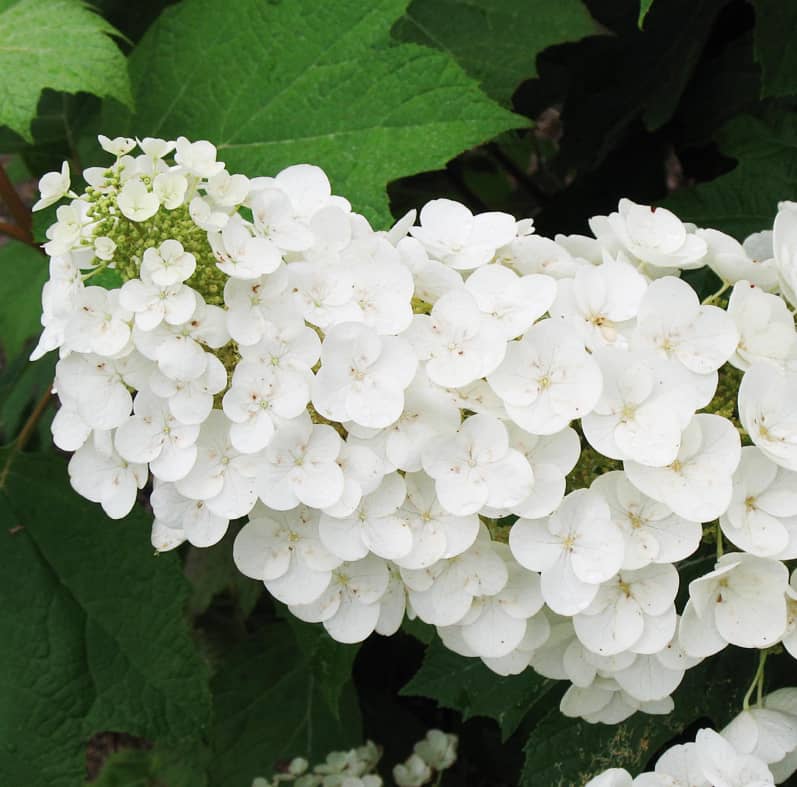
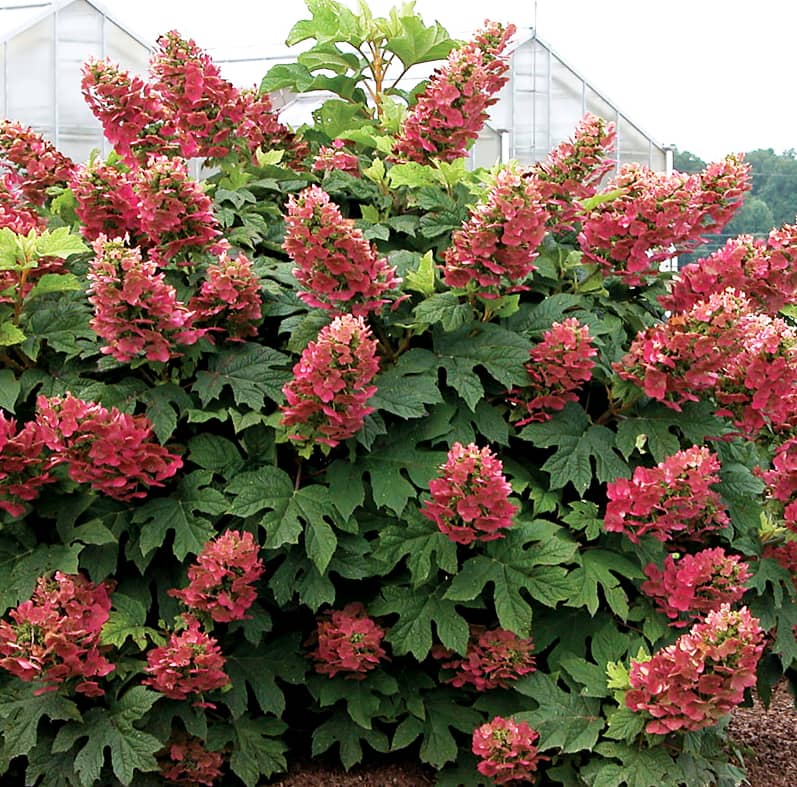
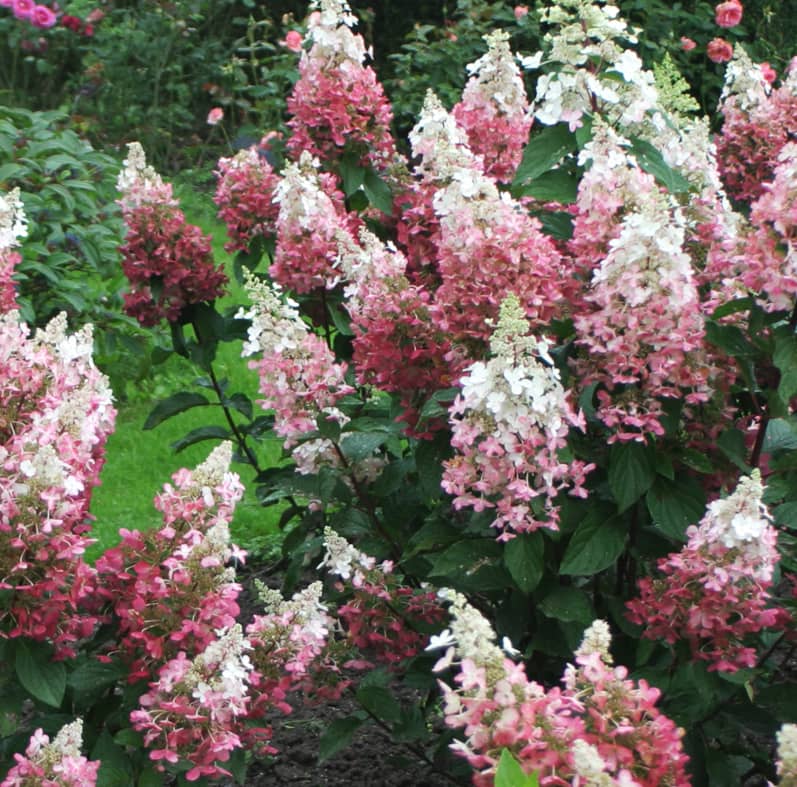
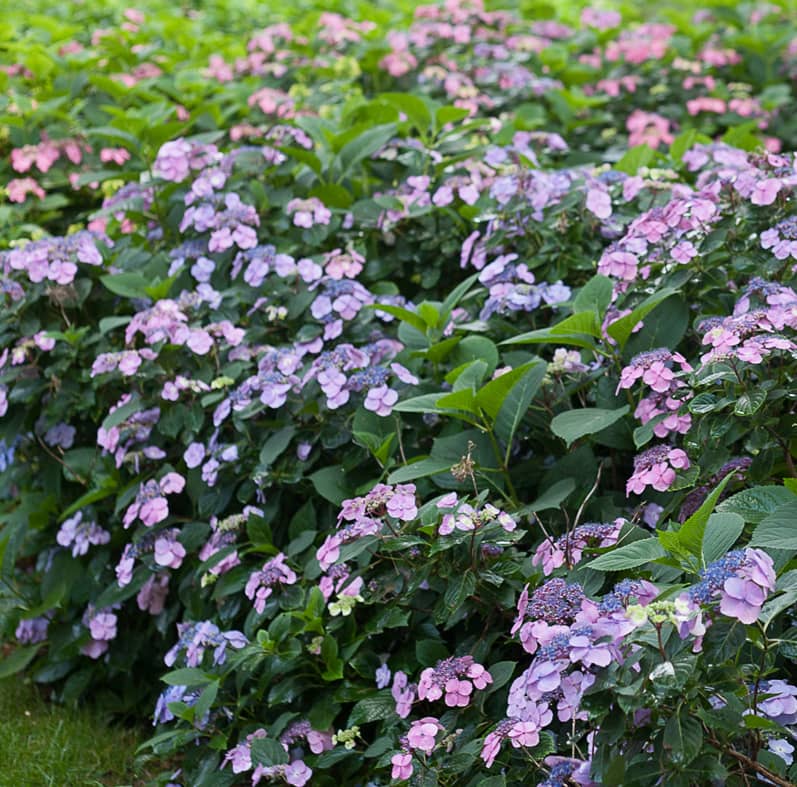
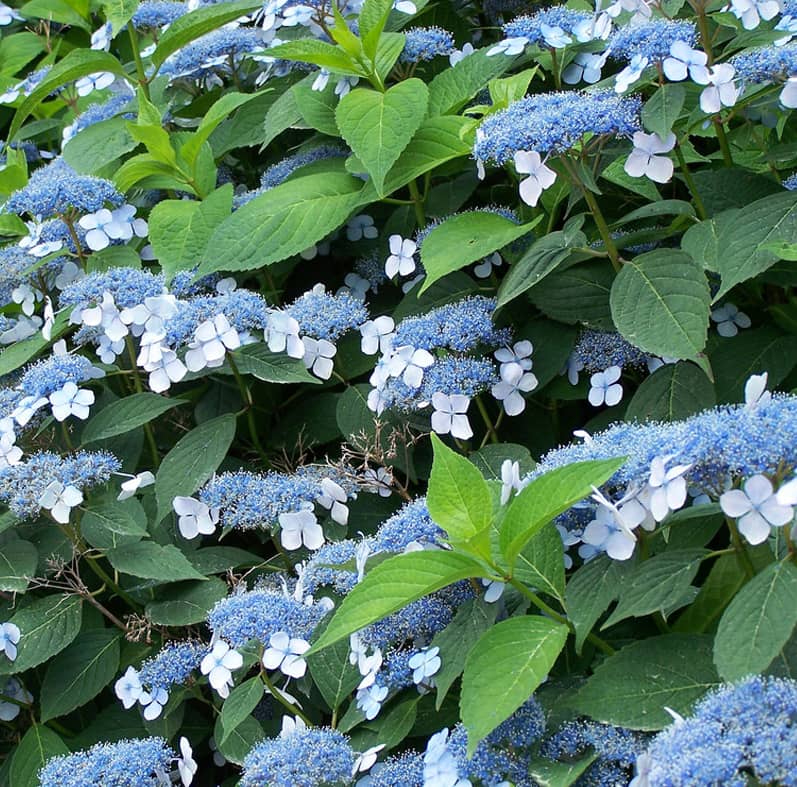
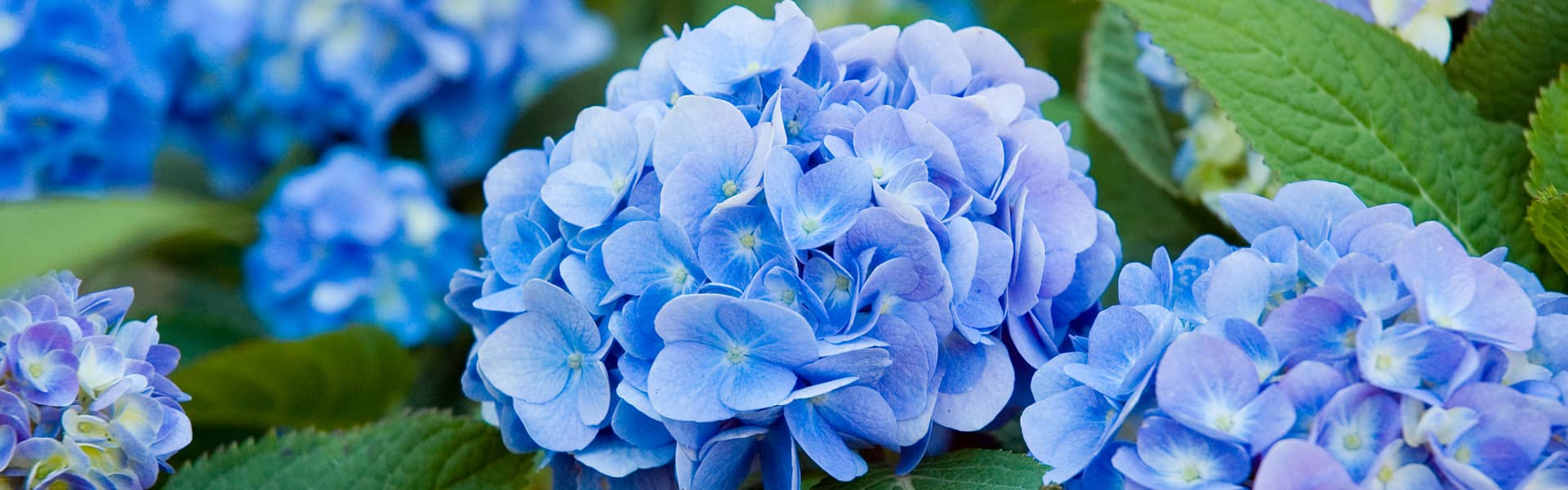
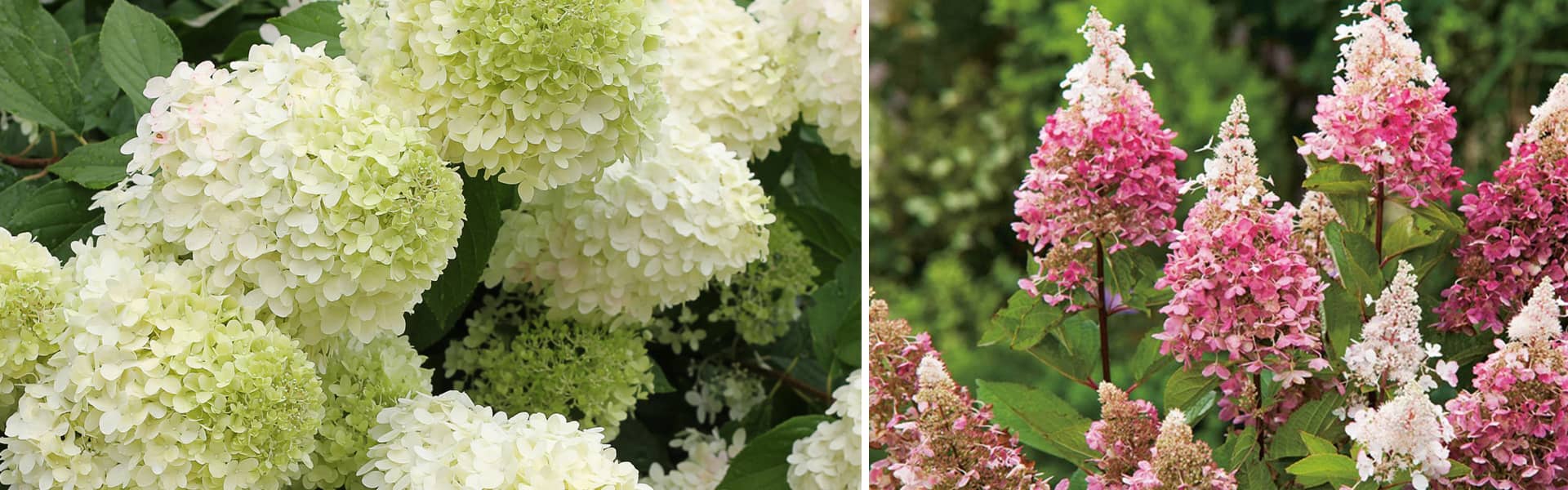
Bigleaf hydrangeas (H. macrophylla) often get the most attention, but other types are just as lovely and have their own reasons to be grown. Hardy hydrangeas (H. paniculata) will tolerate dryer soil, and their large, usually pointed panicles can be heavily flushed with pink. Some flower heads are loose and open, creating a lacy effect. The large and dramatically cut leaves of oakleaf hydrangeas (H. quercifolia) provide beautiful red fall color after the huge flower clusters fade to bronze and pink. The lacy and dainty flowers of mountain hydrangea (H. serrata) appear above dark, colorful stems.